 Zhisheng Technology Co., Ltd.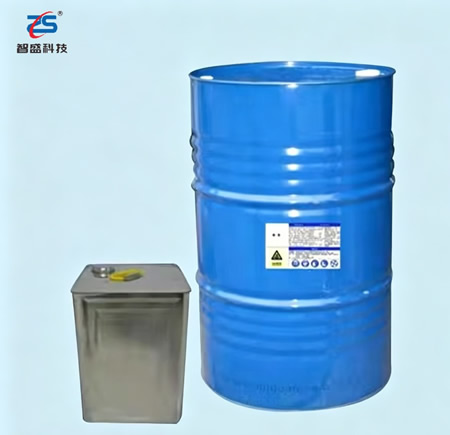
Preparation or Source
Industrial n-hexane is separated from petroleum, oilfield gas and certain natural gas, and can be isolated from petroleum fractions. In recent years, with advances in petroleum refining technology, the production cost of n-hexane has continuously decreased, leading to a substantial expansion in its application scope and consumption.
Remarks
Extremely volatile and flammable.
Hazard Label 7 (Low flash-point flammable liquid).
Main Applications
Used in organic synthesis, and serves as solvent, chemical reagent, paint thinner, medium for polymerization reactions, etc.
Industrially, n-hexane is mainly used as a solvent. It is formulated into adhesives for bonding shoe leather and luggage. It is widely adopted for wiping and cleaning operations in the electronic information industry. It is also applied in crude oil extraction in food manufacturing, propylene solvent recovery in plastics industry, extractant in chemical experiments (such as phosgene tests), and floral fragrance solvent extraction in daily chemical production. Improper use can easily cause occupational poisoning.
Product Properties
Melting point: -95.3 °C
Boiling point: 68.74 °C(lit.)
Density: 0.692 g/mL at 20 °C
Vapor density: 3.5 (vs air)
Vapor pressure: 40 mm Hg (20 °C)
Refractive index: n20/D 1.388
Flash point: 30 °F
Storage condition: Store at RT.
Water solubility: insoluble
Merck: 14,4694
BRN: 1730733
Health Hazards
Routes of entry: Inhalation, ingestion, skin absorption.
Health hazards: It has anesthetic and irritating effects. Long-term exposure may cause peripheral neuritis.
Acute poisoning: Inhalation of high concentrations causes headache, dizziness, nausea, ataxia. Severe cases may result in loss of consciousness or even death. It irritates eyes and upper respiratory tract.
Chronic poisoning: Long-term exposure leads to headache, dizziness, fatigue and anorexia. Subsequently, sensory abnormalities and numbness gradually develop in distal extremities with diminished tactile, pain, vibration and position senses, predominantly in lower limbs while upper limbs are less affected. Further progression causes lower limb weakness, myalgia, muscular atrophy and movement disorders. Electromyography shows reduced conduction velocity of sensory and motor nerves.