 Zhisheng Technology Co., Ltd.
 EVA Treatment Agent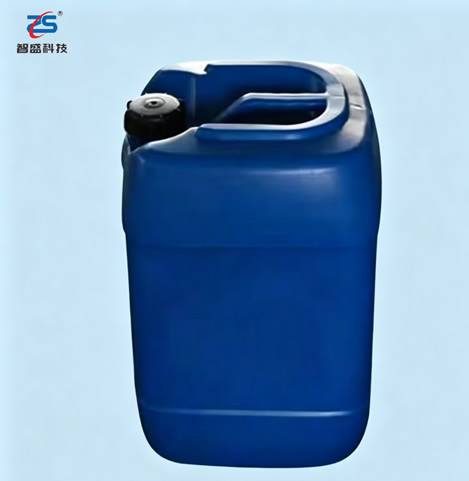
Properties of EVA Treatment Agent: Chemical and Physical Properties
1. Appearance: Colorless, transparent organic solution with low viscosity
2. Dilutability: It is a polymer resin solution and can be diluted with toluene
3. Stability: One-year shelf life at room temperature
4. The resin is non-toxic, odorless, tasteless and features good chemical stability
Properties and Applications
1. EVA materials, normally foamed internally with smooth surfaces and contaminated with release agent, can be directly applied with the treatment agent.
2. For small-area treatment: Use tweezers to hold cotton gauze (do not use chemical fiber cloth), dip it into the EVA treatment agent, and apply evenly onto the target area of the EVA material. Leave it at room temperature for solvent evaporation; baking will yield better results. For porous foamed materials, after air-drying, bake under an iodine-tungsten lamp (or in an infrared oven) for about 2 minutes to ensure complete solvent evaporation. Spraying is applicable for large areas.
3. After the EVA treatment agent is air-dried, ink printing can be performed on its surface.
Operation Instructions for EVA Treatment Agent
1. First, correctly identify the substrate material. Before use, properly pretreat the surface of the adherend, such as degreasing, derusting, dewatering and sanding. Degreasing removes oil, dust and other contaminants from the adherend surface. For decontamination, wipe clean with fast-drying solvents such as No.120 gasoline, thinner, toluene or ethyl acetate, then air-dry. For sanding, gently polish with No.0 or No.1 sandpaper. Select different treatment agents for different materials following the "like dissolves like" rule, which aims to improve the adhesive strength of glue to substrates.
2. Pretreat the adherend surface. Dip absorbent cotton in the treatment agent and gently wipe the adherend surface to achieve full coverage. After natural air-drying or oven drying, apply adhesive for bonding.
3. Operation workflow of the treatment agent: Correct material identification → Application of matching treatment agent → Full drying → Glue application.
Special Notes
Throughout the operation process, correct material identification and proper selection of treatment agent are critical. Multiple treatment agents may be available for the same type of material. Users shall conduct tests and confirm selection before mass production, and start production only when performance requirements are met.
4. Improper coating will lead to the following consequences:
- Insufficient treatment may cause partial delamination of materials;
- Excessively thick coating of treatment agent will increase costs, slow down drying speed and result in glue accumulation, impairing bonding quality.